Flower Emoji: A Designer's Review for Craft Fairs
Stepping into a weekend craft fair booth is all about that split-second connection. A customer walks by, glances at your table, and decides within three seconds if they need to stop. As an experienced embroidery designer who has spent years turning digital files into tangible handmade products, I know exactly what makes a design stand out in the chaos of a market. Today, I am reviewing the Flower Emoji machine embroidery design with one goal in mind: will this sell? Is it ready for my tote bags, aprons, and gift items?
The product description paints a picture of something "cute, funny, and playful," promising versatility for both home decor and apparel. In the world of embroidery, those words are music to my ears. It suggests a design that breaks away from the overly serious or rustic farmhouse trends that have saturated the market for too long. Let's dive into how the Flower Emoji performs when we move it from a screen to a real-world craft fair product.
First Impressions: The Vibe Check
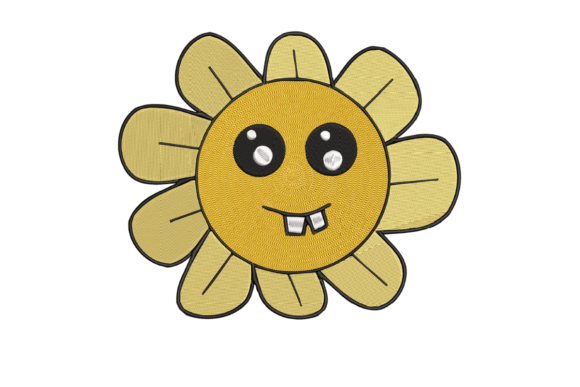
When I first loaded the embroidery file for the Flower Emoji, the immediate feeling was modern and approachable. It doesn't try to be high art; it tries to be friendly. This is crucial for a booth display where you want to lower the barrier to entry for buyers. It feels less like a traditional floral arrangement and more like a digital-native icon brought to life with thread.
This design fits perfectly into the "funny" and "playful" categories mentioned in its description. It has a boldness that cuts through visual noise. Unlike delicate, single-stitch flowers that might get lost on a busy patterned fabric, the Flower Emoji has enough presence to command attention. It strikes a balance between minimal and decorative, making it ideal for the creative entrepreneur looking to add a touch of whimsy to their small shop product line.
Where Flower Emoji Shines: Product Versatility
The true test of any machine embroidery design is its adaptability. Can it look good on a $5 tea towel and a $30 tote bag? Here is my breakdown of where the Flower Emoji excels when preparing for a market day.
- Tote Bag Design: This is the heavyweight champion of craft fairs. Placing the Flower Emoji on a canvas tote creates an instant conversation starter. It works as a small accent near the handle or a large focal point on the front. The playful nature of the emoji pairs beautifully with plain cotton, creating a vibe that is both trendy and timeless.
- Apron Embroidery: For the kitchen-focused buyer, this design adds a pop of joy to a utility item. Whether it is a chef's apron or a casual gardening smock, the Flower Emoji softens the look. It signals that the user enjoys cooking but doesn't take themselves too seriously.
- Tea Towel Embroidery: These are high-volume sellers. Because the design is described as versatile, it scales well here. On a white or cream towel, the thread colors will pop, offering excellent contrast for photos. It transforms a basic kitchen staple into a giftable handmade product.
- Embroidered Patch: If you offer patches, the Flower Emoji is a natural fit. Its defined shape makes it easy to apply to denim jackets, caps, or backpacks. Customers love adding personality to their gear, and a cute emoji patch is a low-risk purchase for impulse buyers.
- Fabric Pouches and Pillow Covers: These items allow for texture play. The design looks great on felt, linen, or even velvet. It elevates the perceived value of these items, turning them from simple accessories into boutique-quality goods.
Production Realities: What the Seller Needs to Know
As a professional, I always advise checking the technical details before hitting the production run. While the description promises multiple embroidery file formats, you must verify the stitch density and recommended hoop size. A design that looks fine on a computer screen can sometimes suffer from thread breaks or puckering if the density is too high for certain fabrics.
For batch production, the Flower Emoji is a dream. Its simplicity means faster hooping and stitching times compared to complex, multi-colored landscapes. This efficiency is vital for maximizing profit margins at a craft fair. However, you must be mindful of stitch density. If the center of the flower is too dense, it may create a stiff area on thin fabrics like silk or light cotton, which could affect the drape of a garment.
Photography is another critical factor. The Flower Emoji photographs exceptionally well because it is distinct and colorful. When creating a printable mockup for your Etsy listing or social media, ensure the lighting highlights the texture of the thread. The contrast between the thread and the fabric is what sells the quality of the finished product.
Design Assets and Commercial Licensing
Before you start selling hundreds of commercial embroidery items featuring this design, you must confirm the commercial licensing terms. Just because a design is available as a digital embroidery file does not automatically grant you the right to sell the physical items made from it. Always review the license agreement provided with the design assets.
If you are an Etsy seller or running a boutique, clarity here protects your business. Ensure the license allows for unlimited sales of finished goods. If the terms are unclear, reach out to the creator. It is better to pause production than to risk a takedown notice after a successful craft fair weekend.
Careful Use Notes: Avoiding Common Pitfalls
Even the best designs have limitations. Here are some specific areas where the Flower Emoji requires extra attention during the setup phase.
- Dense Stitch Areas: Inspect the center of the flower. If it is heavily stitched, avoid using it on very thick fabrics without proper backing, as it might cause the needle to deflect or the fabric to pucker.
- Small Lettering: While this design likely focuses on the graphic itself, if there are tiny text elements included, be cautious. Tiny details often get lost on curved surfaces like caps or textured towels.
- Curved Cap Surfaces: When embroidering on a hat, the curve can distort the geometry of the emoji. You may need to adjust the digitization or use a specialized cap hoop to maintain the intended shape.
- Dark Fabric: Thread contrast is key. If you are placing this on black or navy fabric, ensure you have selected bright, opaque thread colors. Dark threads on dark backgrounds can make the design invisible unless you use a high-density underlay.
- Fabric Texture: Highly textured fabrics, like heavy bouclé or shaggy towels, can hide the details of the design. Stick to smoother surfaces for the crispest look.
Final Verdict: Does It Sell?
In conclusion, the Flower Emoji is a strong contender for any crafter looking to refresh their inventory. It hits the sweet spot of being cute, modern, and universally appealing. It has the potential to drive foot traffic to your booth simply because it is visually engaging and differentiates your brand from competitors selling generic patterns.
My advice? Test it on scrap fabric first. Check your thread colors against your chosen stabilizer and fabric type. Create at least one real mockup to see how it feels in hand. If it passes the tactile test, you have a winner. The Flower Emoji isn't just a design; it is a tool to build a cohesive, friendly brand identity that resonates with customers seeking unique, handmade gifts.
Whether you are a seasoned pro or just starting your journey as a creative entrepreneur, this design offers the flexibility to experiment with various single flowers themes while maintaining a consistent, playful aesthetic. Get your hoops ready, grab your stabilizer, and let's turn this digital file into a best-selling reality.