Is Pretty Cat the Right Embroidery Design for Your Next Project?
When I first opened the file for Pretty Cat, my immediate reaction wasn't about stitch counts or file formats. It was about the mood. There is a specific kind of charm that comes from a well-executed feline motif, and this design captures it with a playful yet elegant simplicity. As someone who has spent years reviewing digital assets for everything from boutique clothing lines to personalized baby gifts, I look past the cute factor to see how a design actually performs when it hits the hoop. This review breaks down whether Pretty Cat is ready for your real-world embroidery projects.
First Impressions: Visual Personality and Layout
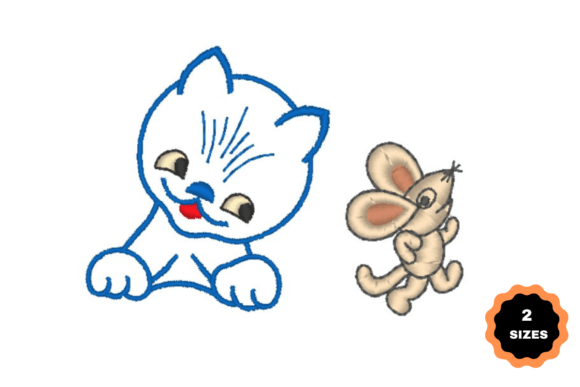
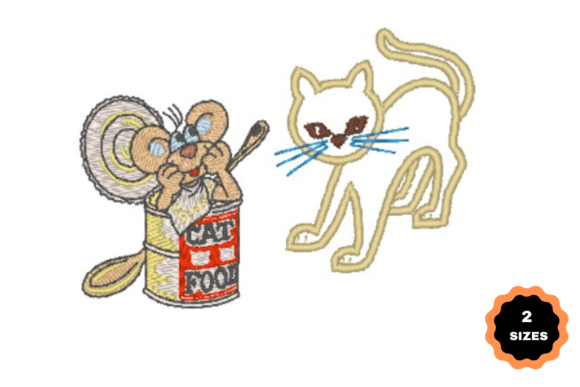
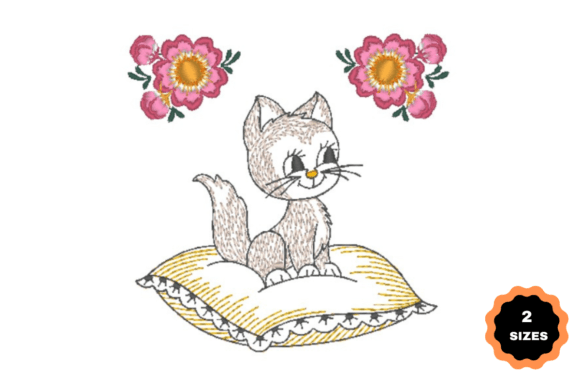
The description promises an "extraordinary look," and while marketing speak can often be misleading, the visual structure here suggests genuine potential. The layout appears balanced, avoiding the cluttered look that plagues many amateur designs. For a designer eye, the most critical element in any cat-themed piece is the expression and posture. Does it feel stiff, or does it have life? From what I can gather, this design relies on clean lines and effective use of negative space, which is essential for maintaining clarity in smaller applications.
This isn't just a generic icon; it feels like a character waiting to be stitched. The balance between detail and open space suggests it will work beautifully as a focal point on apparel or a subtle accent on home goods. When you are selecting machine embroidery design files, you want something that translates well from a screen to fabric. Pretty Cat seems to possess that versatility, making it a strong candidate for both hobbyist projects and commercial small shop products.
Real-World Application: Where This Design Shines
Let's talk about practical scenarios. Imagine you are preparing a custom order for a local pet owner or building inventory for an Etsy listing. You need a design that screams quality but doesn't overwhelm the garment. Pretty Cat fits perfectly into the category of versatile accents.
- Tote Bags and Kitchen Towels: These items often serve as daily drivers for customers. A design that is too dense might crack over time, while one that is too sparse might get lost. The moderate complexity of this design likely offers the durability needed for frequent washing while remaining distinct against canvas or cotton backgrounds.
- Baby Items and Nursery Decor: Parents love personalized gifts, but safety and comfort are paramount. If the stitch density is appropriate, this design could be ideal for a baby onesie or a nursery pillow cover. The soft, approachable nature of a cat theme pairs naturally with nursery aesthetics, adding a touch of whimsy without being overwhelming.
- Sweatshirts and Apparel: For sweatshirt embroidery, you need a design that stands up to the texture of fleece or heavy cotton. The visual weight of Pretty Cat suggests it would hold its own on a chest pocket or the back of a hoodie, serving as a great conversation starter at craft fairs or boutique events.
I also envision this working well as part of a holiday collection. Whether it is a Christmas stocking or a winter gift exchange item, the "cat" theme adds a cozy, domestic feel that resonates with buyers looking for handmade products.
Technical Considerations and Potential Pitfalls
While the concept is sound, no design is perfect for every surface. As an experienced reviewer, I must highlight where caution is required. If you plan to use this for embroidered patches or items requiring intricate detailing, you need to scrutinize the stitch density. High-density areas can sometimes cause puckering, especially if the stabilizer choice isn't precise.
Here are specific scenarios where you should test before committing to a client project:
- Small Hoop Sizes: If the design includes fine details, ensure they won't blur together when reduced for a hat brim or a small patch. Tiny lettering or delicate whiskers can disappear if the hoop size is too small relative to the design dimensions.
- Textured and Stretchy Fabrics: While this design looks great on flat surfaces, applying it to stretchy knits or heavily textured fabrics like denim or boucle requires extra care. Without proper stabilizer support, the satin stitch sections may struggle to lay flat.
- Dark Fabrics: Contrast is key. If you are stitching onto dark fabric, you will need to evaluate your thread colors carefully. Light threads on dark backgrounds require higher coverage, which increases the risk of thread breakage or visible underlay stitches.
- Curved Surfaces: Embroidering on caps or curved bags introduces distortion. Always check if the design file accounts for the curvature or if it needs manual adjustment to avoid a distorted final product.
Impact on Brand Value and Customer Trust
In the world of craft business and Etsy sellers, the quality of your finished product directly correlates to customer trust. A sloppy stitch job can ruin a brand's reputation, but a well-executed design elevates the perceived value of the item. Pretty Cat, if stitched correctly, adds a professional polish to your handmade product.
Customers buying personalized gifts or custom apparel are paying for the effort and precision involved. A design that maintains its shape and color integrity after washing signals reliability. Furthermore, using a cohesive design asset across your small shop product line helps build brand consistency. If your tote bags, aprons, and pillow covers all feature high-quality, well-placed motifs, you create a recognizable aesthetic that encourages repeat business.
For digital product sellers, having a reliable source of design assets like this allows you to create attractive printable mockups that accurately represent the final result. Buyers are more likely to purchase if they can visualize the finished product clearly.
Practical Designer Notes Before You Stitch
Before you hit the start button on your machine, there are a few non-negotiable steps to ensure success. Even the best embroidery file can fail without proper preparation.
Test First: Never run a new design on a final customer item without testing it on scrap fabric first. This allows you to check the thread color contrast and ensure the fill stitch and running stitch combinations work well together on your specific material.
Check the Details: Inspect the design for tiny details that might get lost in translation. Are there corners that are too sharp or lines that are too thin? These elements can lead to frustration during the digitizing or stitching process.
Licensing and Usage: If you are planning to sell finished items made with this design, confirm the licensing terms immediately. Some commercial embroidery licenses restrict the number of units you can produce, while others allow unlimited sales. Understanding these rules protects your creative entrepreneur status and avoids legal issues.
Stabilizer Selection: The foundation of a good stitch is the stabilizer. Depending on the fabric texture, you may need cut-away, tear-away, or water-soluble stabilizers. Don't skimp here; the right support prevents the dreaded puckering effect that ruins the look of even the most adorable designs.
Final Verdict
Pretty Cat represents a solid addition to any designer's library. Its adaptable nature makes it suitable for a wide range of projects, from simple DIY crafts to professional boutique branding. By paying attention to fabric choices, stabilizer usage, and testing procedures, you can transform this digital file into a stunning physical reality. Whether you are creating a unique holiday gift or expanding your apparel decorator inventory, this design offers the visual appeal and structural integrity needed to succeed in a competitive market.
Remember, the difference between a good project and a great one often lies in the preparation. Take the time to evaluate the stitch density, verify the file formats, and choose the right materials. With the right approach, Pretty Cat can become a staple in your portfolio of embroidery projects.