Little Miss Lucky Charm Design Review
As an experienced embroidery designer, I am always on the lookout for designs that can elevate a small clothing brand or a handmade product line. When browsing Creative Fabrica embroidery collections, I recently came across Little Miss Lucky Charm, a design specifically categorized under St Patrick S Day. Before I commit to using this machine embroidery design in my next boutique apparel collection, I want to share a detailed review of its potential, visual personality, and practical application for sweatshirts, hoodies, and custom garments.
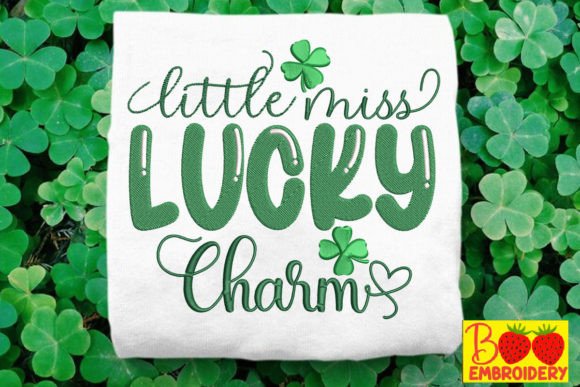
The first impression of Little Miss Lucky Charm is one of playful charm and seasonal warmth. It possesses a distinct visual personality that feels both cute and premium, making it suitable for a wide range of creative entrepreneurs. Unlike some generic holiday graphics, this embroidery file seems to carry a decorative strength that suggests a high-quality finished product. The mood is light and festive, yet it retains a classic feel that won't look dated once the holiday season passes. For those looking to create trendy, feminine, or rustic seasonal outfits, this design offers a balanced aesthetic that appeals to modern buyers.
Visual Mood and Design Potential
When evaluating Little Miss Lucky Charm for commercial use, the detail level is crucial. A professional embroidery designer knows that the difference between a mass-produced item and a boutique brand often lies in the stitch density and the clarity of the design elements. This design appears to have enough detail to stand out on neutral sweatshirts without becoming muddy when stitched. The decorative strength of the motif suggests it will work exceptionally well as a focal point on oversized garments or as a subtle accent on fitted pieces.
The versatility of Little Miss Lucky Charm extends beyond just the holiday itself. While it is perfect for St Patrick S Day marketing, its charming nature allows it to fit into broader lifestyle product photos and social media graphics throughout the spring season. Whether you are an Etsy seller looking to boost your listings with high-quality images or a digital seller creating printable mockups, this design adds a layer of professionalism that enhances buyer trust and product recognition.
Applying the Design to Apparel Projects
Imagine preparing a small sweatshirt collection for an online shop. Little Miss Lucky Charm could serve as the centerpiece for a cozy seasonal outfit line. On a heather grey hoodie, the design would pop with a casual, streetwear vibe, while on a pastel pink or mint green garment, it would lean towards a softer, more feminine aesthetic. The design's adaptability makes it ideal for various placement options, from a classic chest placement to a larger back design that creates a statement piece.
For boutique merchandise, this machine embroidery design can be applied to denim jackets, adding a touch of whimsy to rugged fabric textures. It also shines on tote bags, where the sturdy canvas provides a stable base for the stitches, ensuring the design remains crisp. When used on aprons or towels, Little Miss Lucky Charm transforms functional items into desirable gifts, increasing the perceived value of the finished product. The ability to place this design on diverse surfaces demonstrates its robustness as a commercial embroidery option.
Practical Considerations for Embroidery Shops
While the visual appeal is strong, a seasoned designer must consider the technical execution. When planning to use Little Miss Lucky Charm on stretchy fabric like fleece or ribbed fabric, caution is required. Dense stitch areas can sometimes cause puckering if not stabilized correctly. Therefore, checking the stabilizer choice is essential before running a full production run. Using a cut-away stabilizer for heavier garments like hoodies can provide the necessary support to maintain the integrity of the design over time.
Another critical factor is thread color contrast. To ensure the design looks premium, selecting the right thread colors against dark garments or light apparel is vital. If the background is dark, a bright, contrasting thread palette will make Little Miss Lucky Charm stand out, whereas a tonal approach might be better for a subtle, elegant look on light fabrics. Always inspect stitch density to avoid overwhelming the fabric texture, especially on smaller chest placements where space is limited.
Placement and Fabric Challenges
There are specific areas where designers should exercise care. Small chest placements require precision; if the design is too large for the area, it may distort the garment's silhouette. Similarly, applying embroidery to curved surfaces, such as the sleeves of a hoodie or the rounded body of a hat, demands a skilled hand and potentially a specialized hoop size. Tiny lettering within the design should be reviewed closely to ensure legibility after stitching, particularly on textured materials like denim or canvas.
It is also important to test the design on similar garment fabric before scaling up production. Different fabric blends react differently to heat and tension during the embroidery process. By testing on scrap fabric, you can confirm that the hoop size accommodates the design dimensions and that the stitch count aligns with your machine's capabilities. If the product details on Creative Fabrica do not specify the exact file formats or hoop requirements, it is advisable to contact the creator or perform these tests independently to avoid costly mistakes.
Impact on Brand Identity and Sales
Incorporating a high-quality design like Little Miss Lucky Charm into your workflow can significantly affect your brand identity. Customers today expect consistency and professionalism in handmade products. A well-executed embroidery file contributes to visual consistency across your product line, reinforcing customer engagement and encouraging repeat business. When a buyer sees a clean, well-stitched design on a sweatshirt or tote bag, they perceive higher value and are more likely to trust the quality of the entire brand.
For digital sellers and crafters, having a versatile design library is key. Little Miss Lucky Charm fits perfectly into a strategy that includes creating printable mockups for Etsy listings. High-resolution images of the design on various garments can help attract traffic and convert browsers into buyers. Furthermore, using this design for commercial embroidery products allows small shop owners to diversify their inventory without needing to design every element from scratch.
Essential Designer Notes for Production
To ensure success with Little Miss Lucky Charm, follow these practical steps:
- Test on Scrap Fabric: Always run a test stitch on a piece of the actual garment material to check for puckering or distortion.
- Review Stabilizer Choice: Select a stabilizer that matches the weight and stretch of the fabric, such as tear-away for wovens or cut-away for knits.
- Check Thread Color Contrast: Ensure the thread colors chosen complement the garment color for maximum visibility.
- Confirm Hoop Size: Verify that your hoop can accommodate the design dimensions without cutting off any elements.
- Inspect Stitch Density: Look for areas that may be too dense and could damage delicate fabrics.
- Compare Placement Options: Experiment with different locations on the garment to find the most flattering position.
- Verify Licensing: Check Creative Fabrica product details and licensing terms before selling finished apparel to ensure compliance.
Ultimately, Little Miss Lucky Charm represents a valuable asset for anyone involved in custom apparel or boutique branding. Its blend of cute aesthetics and practical application makes it a standout choice for seasonal collections. By approaching the design with the care and attention of a professional embroidery designer, you can create finished products that resonate with customers and elevate your handmade business. Whether you are designing for a small shop product launch or a large-scale commercial order, this machine embroidery design offers the flexibility and charm needed to succeed in the competitive world of embroidery.