Mouse Family Embroidery Review
As an embroidery designer who spends hours testing stitches, fabrics, and digitizing nuances, I approach every new machine embroidery design with a mix of excitement and skepticism. When I first unboxed the digital files for Mouse Family, my immediate thought was not just about the technical execution, but about the emotional resonance it could bring to a customer’s home. In the world of handmade goods, we are rarely selling just thread and fabric; we are selling memories, comfort, and personal connection. This review is based on my practical experience planning this design for a boutique personalized gift shop, evaluating its potential as a bestseller for Etsy sellers, small business owners, and craft fair exhibitors.
First Impressions: Charm Meets Technical Precision
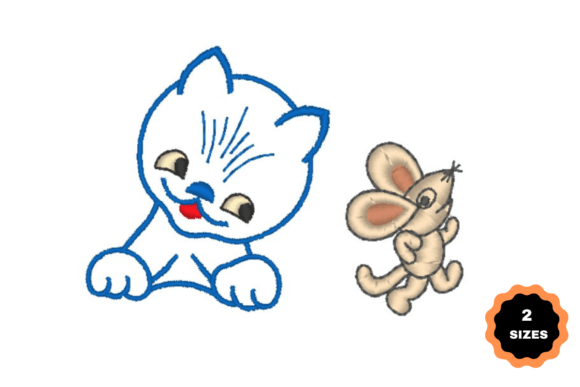
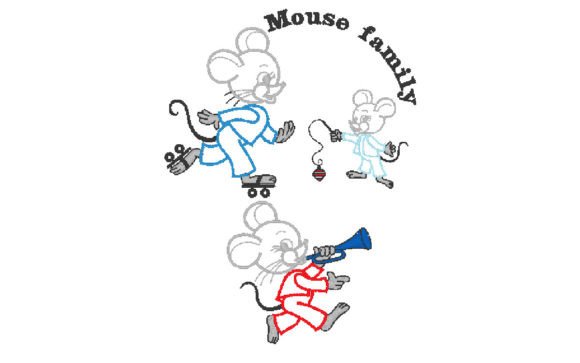
The moment I loaded the embroidery file into my software, the charm of Mouse Family was evident. It strikes a delicate balance between playful and elegant. The mood is undeniably sweet, evoking a sense of nostalgia that feels both classic and modern. For a designer, the detail level is impressive without being overwhelming. The lines are clean, and the shapes are distinct, which suggests that the digitizer understood how the design would translate from screen to cloth.
What stands out most is the emotional appeal. This isn’t just a generic animal motif; it feels like a story waiting to be told. Whether it is intended for a nursery or a wedding keepsake, the design has a warmth that invites touch. It feels handmade even before the needle touches the fabric. For those of us creating personalized gift products, this kind of aesthetic is gold. It allows the product to speak softly but clearly, making it an ideal candidate for baby gifts, family heirlooms, or intimate wedding favors.
Real-World Applications for Gift Makers
Let’s imagine a specific scenario. A client comes to you wanting a meaningful gift for a new parent. They don’t want something mass-produced; they want something unique. You decide to use Mouse Family on a soft cotton muslin blanket embroidery project. As I tested this, I found that the design scales beautifully. It doesn’t look cramped on a smaller item like a bib, nor does it get lost on a larger throw blanket.
But the versatility doesn’t stop at baby items. Consider the market for wedding gift designers. Imagine stitching this onto a high-quality linen pillow cover for a newlywed couple’s guest room. The playful yet refined nature of the mice adds a touch of whimsy to a traditionally formal setting. Or perhaps you are an Etsy seller looking to expand your home decor line. Using this design on an embroidered towel for a kitchen or bathroom can elevate a basic commodity into a luxury item. The key here is the perceived value. When customers see a well-executed handmade product with such thoughtful detailing, they are willing to pay a premium because they trust the quality.
I also visualized this design on custom tote bags for a local artisan market. The contrast of sturdy canvas against the smooth satin stitches of the mouse design creates a tactile experience that shoppers love. It is this combination of visual appeal and tactile quality that drives buyer engagement. When a customer holds a finished product, they should feel the care that went into its creation. Mouse Family delivers on that promise.
Where to Exercise Caution
While the design is versatile, no custom embroidery project is without its challenges. As a professional, I must advise you to be mindful of where this design is placed. There are certain substrates where Mouse Family might struggle if not handled with expertise.
- Delicate Details: If you attempt to place this design over existing text or very small lettering, the intricate details of the mice may compete for space. Keep the layout simple to let the main subject shine.
- Textured Fabrics: While linen and cotton work well, highly textured fabrics like heavy bouclé or thick terry cloth can obscure the finer points of the design. The needle may have trouble penetrating these materials evenly, leading to inconsistent stitch formation.
- Stretchy Materials: Be cautious when embroidering on stretchy baby clothes or knits without proper stabilization. Even with a good stabilizer, tension issues can arise, causing puckering.
- Curved Surfaces: Placing this design on curved surfaces, such as the front of a hat or a rounded bottle holder, requires advanced hooping techniques. Flat surfaces like aprons or flat towels are much safer for beginners.
- Dark Fabrics: If you plan to use dark backgrounds, ensure you have enough thread color contrast. The design relies on clear definition, so light threads on dark fabric might lose their shape if the density isn't high enough.
- Frequent Washing: For items like embroidered towel sets or baby blankets that will undergo frequent laundering, ensure the stabilizer residue is fully removed and the backing is secure to prevent unraveling over time.
Boosting Perceived Value and Trust
In the competitive landscape of online marketplaces, presentation is everything. A well-digitized design like Mouse Family directly impacts customer trust. When a buyer sees a listing with high-quality photos of a finished product, they are subconsciously assessing the skill of the maker. Clean stitches, proper thread choices, and appropriate placement signal professionalism.
This design enhances the emotional connection between the maker and the buyer. Because it is part of the Animals category but rendered with such care, it appeals to a broad demographic. Parents, pet lovers, and those who appreciate subtle whimsy all find something to love. By offering this as a small shop product, you differentiate yourself from large retailers who offer generic, soulless merchandise. Your customers are buying into your brand story, and Mouse Family supports that narrative perfectly.
Practical Embroidery Notes for Success
To ensure your finished product meets the highest standards, follow these practical steps before committing to expensive materials:
- Test on Scrap Fabric: Always run a test stitch-out on the exact type of fabric you intend to sell. This helps you gauge how the material reacts to the needle and thread.
- Check Thread Color Contrast: Compare different thread colors against your chosen fabric. What looks good on a computer screen might look muddy in person. Use a physical swatch to confirm.
- Confirm Hoop Size: Ensure your machine’s hoop size accommodates the design dimensions comfortably. Avoid designs that are too close to the edge of the hoop, as this can cause alignment issues.
- Review Stitch Density: Look at the stitch density in the file. Too dense, and the fabric may pucker; too sparse, and the background fabric may show through unpleasantly. Adjustments in the digitizing software may be necessary for specific fabrics.
- Use Proper Stabilizer: The choice of stabilizer is critical. Cut-away stabilizers are generally recommended for garments and frequently washed items, while tear-away may suffice for decorative pillows.
- Compare Mockups: Create a printable mockup or a digital preview to show clients. This helps manage expectations and allows for customization requests before production begins.
- Check Small Details: After stitching, zoom in on the smallest elements. Are the eyes defined? Are the tails distinct? If details are lost, consider simplifying the design or adjusting the thread path.
- Confirm Licensing: Before selling any commercial embroidery items, verify the license terms of the digital embroidery file. Most reputable sellers provide commercial rights, but it is always wise to double-check to avoid legal issues.
Ultimately, Mouse Family is more than just a design; it is a tool for creating joy. By paying attention to the technical details and understanding the emotional weight of your products, you can turn a simple piece of fabric into a cherished keepsake. Whether you are designing for a newborn’s arrival or a couple’s special day, this design offers the flexibility and charm needed to succeed in today’s handmade market.