Cute Boy Embroidery Design Review
As an embroidery seller who spends hours evaluating digital assets for my small shop, I know that finding the right design is about more than just aesthetics. It is about commercial viability, stitch quality, and how well a design translates to physical products. When browsing Creative Fabrica embroidery options, I look for pieces that offer immediate value to my customers while being practical to produce. Recently, I evaluated a design titled Cute Boy, and here is my honest assessment of its potential for Etsy listings, craft fairs, and boutique merchandise.
Visual Personality and Aesthetic Appeal
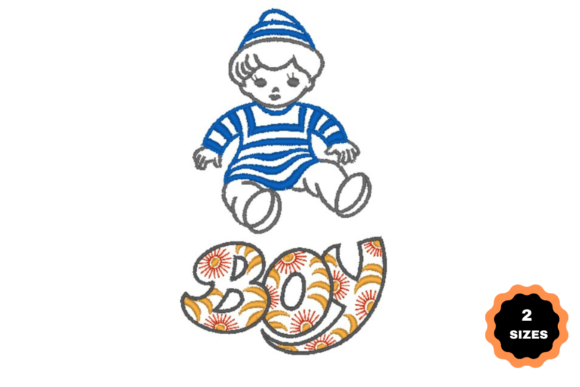
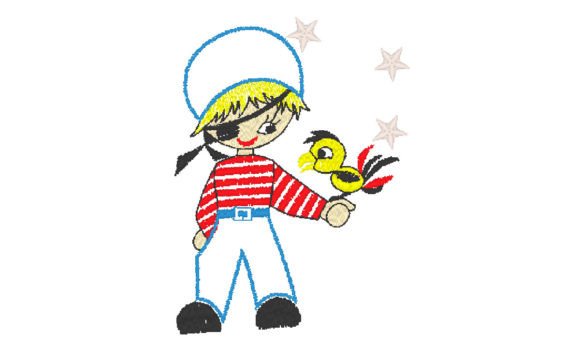
The title Cute Boy suggests a playful, lighthearted vibe, but the description adds important context: "This pretty embroidery gives a nice look to your fabrics." This combination tells me that the design likely balances cuteness with a polished finish. It does not sound overly rustic or aggressively bold. Instead, it leans toward a modern, clean aesthetic that feels premium yet approachable.
For a handmade product seller, this distinction is crucial. A design that is too complex can become muddy when stitched on thick fabrics like sweatshirts, while one that is too simple might lack the visual impact needed to stand out in a crowded Etsy search result. The phrase "playful accent" implies that Cute Boy is versatile enough to be used as a focal point on smaller items like embroidered patches or kitchen towels, without overwhelming the garment.
I imagine this design fitting perfectly into a Boys category, but its "pretty" nature means it could also appeal to unisex markets if styled correctly. It feels modern and minimal enough to work on contemporary baby blankets, yet charming enough for personalized gifts. It avoids looking dated, which is essential for maintaining long-term sales velocity.
Product Application and Commercial Value
When planning new collections, I always ask: "Where will this design live?" Based on the description, Cute Boy seems exceptionally well-suited for a variety of handmade product categories. Here is how I see it performing across different mediums:
- Tote Bag Design: The "playful accent" description suggests a size that works beautifully on canvas totes. It adds a personal touch without requiring a massive hoop setup, making production faster.
- Sweatshirt Embroidery: For custom apparel, this design offers a nice contrast against heather grey or navy cotton blends. Its "pretty" look elevates basic hoodies into gift-worthy items.
- Baby Embroidery: Whether on onesies or muslin cloths, the design’s charm aligns perfectly with the baby gift market. It feels safe, sweet, and professional.
- Kitchen Towel Embroidery: Small-scale applications are high-margin sellers. If the file includes scaled-down versions, this could be a staple for home decor collections.
- Embroidered Patch: The clean lines implied by a "nice look" make it ideal for iron-on patches, which are popular accessories for denim jackets and backpacks.
By adding Cute Boy to my inventory, I can support multiple revenue streams. It allows me to create personalized gift bundles, such as a matching set of a baby blanket and a nursery wall hanging. It also supports seasonal collections, particularly for birthdays, baby showers, and back-to-school seasons where boys’ themes are in demand.
Buyer-Focused Value Proposition
From a marketing perspective, the strength of Cute Boy lies in its emotional resonance. Online shoppers often buy based on how a product makes them feel. A design described as "pretty" and "unique" triggers a desire for something special. It helps a product feel more memorable and less like mass-produced merchandise.
Furthermore, the versatility of the design aids in photography and social media previews. Because it is described as giving a "nice look," it likely photographs well under natural light, highlighting texture and thread quality. This reduces the effort required to create printable mockup images for listings. When a customer sees a crisp, clear image of the embroidery on real fabric, their confidence in the purchase increases. It signals professionalism and attention to detail, which are key factors in converting browsers into buyers.
Additionally, the "multiple embroidery file" mention in the description is a significant value add. It suggests that the design may come in various formats or sizes, allowing me to test different placements before committing to bulk production. This flexibility is crucial for Etsy sellers who need to adapt quickly to trends and customer requests.
Practical Seller Notes and Pre-Listing Checklist
Before I add Cute Boy to my active listings, I follow a strict evaluation process to ensure quality control and legal compliance. Here are the steps I take, which every serious craft business owner should consider:
- Test Stitch-Out: I always stitch the design on the actual fabric type I plan to sell (e.g., fleece for sweatshirts, linen for totes). This reveals how the threads interact with the material and whether any adjustments are needed.
- Check Stitch Density: High-density designs can cause puckering on thin fabrics. I examine the file structure to ensure the density is appropriate for the intended end use.
- Confirm Hoop Size: While the description mentions "multiple files," I must verify the maximum dimensions to ensure it fits standard hoops. This prevents production delays and wasted materials.
- Review Thread Colors: I compare the default thread colors against my inventory. Does the design pop? Do I need to swap out specific shades to match current fashion trends?
- Stabilizer Selection: I determine the best stabilizer (cut-away vs. tear-away) based on the fabric weight. This step is critical for ensuring the longevity of the finished product.
- Licensing Verification: Most importantly, I review the Creative Fabrica licensing agreement. I need to confirm that I am allowed to sell finished goods made from this digital embroidery file. Understanding the terms protects my business from potential copyright issues.
If any of these details—such as exact stitch counts or specific machine compatibility—are not clearly provided in the product description, I contact the designer or check the FAQ section on Creative Fabrica. Transparency is key to avoiding returns and negative reviews.
Final Verdict for Small Shop Owners
Cute Boy appears to be a strong candidate for expansion into my commercial embroidery catalog. Its blend of playful charm and professional polish makes it suitable for a wide range of custom apparel and home decor items. It addresses the needs of creative entrepreneurs who want to offer unique, high-quality gifts without sacrificing production efficiency.
For those looking to refresh their Etsy seller inventory with designs that have broad appeal, this asset offers good potential. By following the practical steps outlined above—testing, verifying, and styling correctly—you can turn this digital file into a tangible profit driver. It is a solid choice for anyone seeking to enhance their brand with embroidery design elements that resonate with modern consumers.
In summary, Cute Boy delivers on its promise of being a pretty, unique addition to fabric projects. With careful execution and proper licensing checks, it can become a standout item in your small shop collection, appealing to parents, gift-givers, and craft lovers alike.