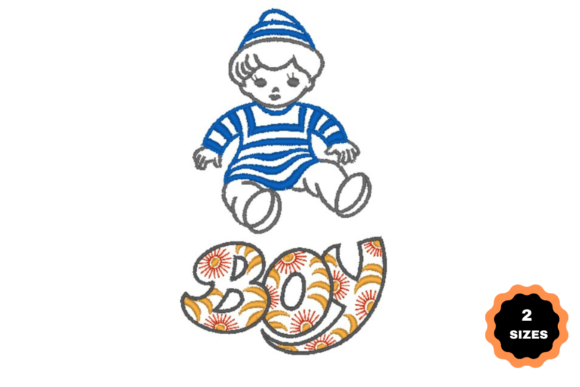
Reviewing Boy for Craft Fair Success
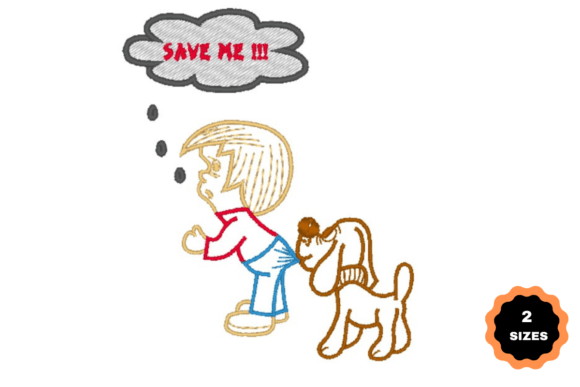
As an experienced embroidery designer who has spent countless weekends prepping booths for local craft fairs and online handmade markets, I know that the difference between a design that gathers dust and one that sells out often comes down to presentation. Today, I am reviewing a specific digital asset titled Boy. The product description promises an "adorable embroidery" that gives fabrics an "extraordinary look" with a "nice accent." But as someone who knows the reality of production, I need to dig deeper than the marketing copy. Does this machine embroidery design actually work for a high-volume booth? Is it practical for small shop owners to produce efficiently? Let's break down how this embroidery file performs when turned into real-world craft fair products.
The First Impression: Cute, Versatile, and Accent-Ready
When you first see the title Boy, it suggests a theme that is universally appealing but potentially broad. However, the description emphasizes that this design serves as a "nice accent." This is a crucial detail for any Etsy seller or boutique maker. In my experience, designs that function well as accents are often the most versatile because they do not overwhelm the fabric. They add character without dominating the piece.
If this design leans towards being cute, modern, or perhaps slightly rustic, it fits perfectly into the current market trends for handmade goods. The promise of an "extraordinary look" implies that the stitch quality should be high, likely utilizing varied thread colors to create depth. For a weekend crafter, the ability to slap this onto a plain item and instantly elevate its perceived value is exactly what drives sales. It feels like a design intended to make customers pause and say, "That is so adorable."
Product Potential: Where Does Boy Shine?
To maximize the return on your investment in this digital embroidery file, you must choose the right canvas. Not all items sell equally at a craft fair. Based on the "accent" nature of the design, here is where Boy will likely stand out:
- Tote Bags and Market Bags: A simple cotton tote bag is a staple of the handmade market. Placing the Boy design as a centered accent or a small corner motif transforms a generic bag into a unique tote bag design. It photographs beautifully for online listings and looks substantial enough to justify a higher price point.
- Aprons and Kitchen Towels: For the home cook demographic, apron embroidery and tea towel embroidery are top sellers. If the design features playful elements, it adds a personal touch to kitchen linens. These items are often purchased as gifts, making the "adorable" aspect of the description a key selling point.
- Caps and Patches: While caps can be tricky due to curved surfaces, a smaller version of this design could work well as an embroidered patch or a focal point on a baseball cap. However, this requires careful testing of the hoop size and stabilizer to ensure the curve doesn't distort the details.
- Pillow Covers and Small Pouches: For commercial embroidery projects, pillow covers allow for larger displays of the design. Conversely, small pouches or pencil cases offer a low-risk entry point for buyers. These items are perfect for impulse buys at a busy craft fair table.
Visual Appeal and Customer Attention
In a crowded booth, visual appeal is everything. Customers walk by quickly, and they notice things that pop. A well-executed Boy design should catch the eye immediately. Because the description mentions it works as an accent, it likely relies on good contrast and clean lines rather than massive fill areas. This makes it excellent for photography; when you create printable mockups or list items on Etsy, the design should remain clear even in thumbnail views.
For the finished product, the goal is to convey handmade quality. If the stitching is dense and professional, the item feels premium. If the design is too large for the item, it might look cluttered. If it is too small, it might get lost. The sweet spot for Boy is likely a mid-sized placement that draws attention without overwhelming the natural texture of the fabric. This balance is essential for maintaining brand consistency across your small shop product line.
Production Practicality: Batch Making and Efficiency
One of the biggest challenges for craft fair sellers is production time. Can you churn out 50 aprons in a day? The answer depends on the complexity of the design. Since Boy is described as having multiple options (implied by "multiple embr"), it may come in different sizes or colorways. This is a huge advantage for batch production. You can run through a stack of white towels with one thread color, then switch to another for a different customer request.
The design needs to be easy to understand at a glance during production. If there are too many tiny jumps or complex color changes, it slows down the process. Ideally, this embroidery file should have a manageable number of stitches to keep machine time reasonable while still looking impressive. If the design is too intricate, it might not be suitable for high-volume commercial use unless you have a multi-needle machine.
Careful Use Notes and Technical Warnings
Before you start selling, you must address potential pitfalls. Every machine embroidery design has limitations based on its construction. Here are critical factors to consider for Boy:
- Dense Stitch Areas: Check the center of the design. If there are large blocks of satin stitches, ensure your fabric can handle the tension without puckering. Thick fabrics like denim or heavy canvas might require extra stabilizer.
- Small Details: If the design includes tiny lettering or fine lines, test it at full size. Sometimes, what looks great on a screen loses clarity when stitched. If you plan to shrink the design for small pouches, verify that the details remain visible.
- Fabric Texture: Textured towels or slubby knits can hide the beauty of the embroidery. Smooth fabrics like twill or sateen usually show off the thread colors best. Always compare fabric colors against your thread palette before committing to a bulk order.
- Curved Surfaces: Embroidering on a cap requires a specialized hoop and often a curved base. If the design is not optimized for curves, it may stretch or warp. Test this on scrap material first.
Designer Notes for Success
To ensure your Boy products sell, follow these professional steps. Never skip the test run. Take a scrap of your actual target fabric and stitch the design. This reveals issues with thread tension, stabilizer choice, or fabric stretch that you cannot see on a computer screen. Check the stitch density closely; if it is too high, the fabric will bunch up. If it is too low, the design will look sparse.
Confirm your hoop size matches the design dimensions. Using a hoop that is too small forces you to re-hoop, which ruins alignment. Ensure you use the right stabilizer for the fabric weight—cut-away for stretchy materials and tear-away for stable wovens. Create at least one real mockup to photograph for your Etsy listing; nothing sells better than a photo of the actual finished product.
Finally, always review the commercial licensing terms. Just because you bought the file does not automatically mean you can sell unlimited quantities of the finished product. Verify the license allows for commercial embroidery sales. By treating this design asset with the same care you would treat a physical pattern, you ensure that your handmade gift offerings are professional, profitable, and ready for the market.