Hey Sugar Pie: A Designer's Review for Small Business Merch
As a professional embroidery designer who has spent years crafting digital assets for boutiques, bakeries, and creative studios, I know that the difference between a generic product and a memorable brand often comes down to a single design choice. Recently, I evaluated the Hey Sugar Pie machine embroidery design with a specific focus on its viability for small business merchandise and branded patch use. This review is not just about how cute the design looks; it is about whether this file can stand up to the rigors of commercial production while elevating your brand identity.
The First Impression: Personality and Visual Tone
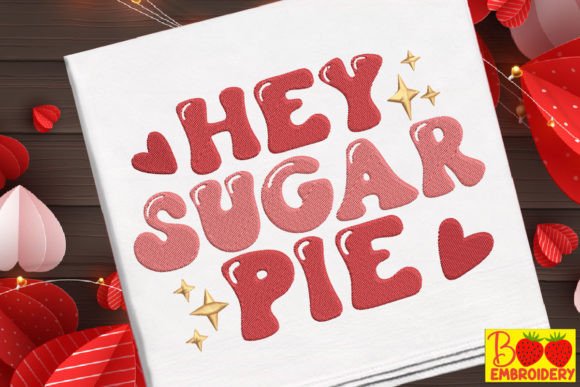
When you first encounter the title Hey Sugar Pie, the immediate feeling is one of warmth, approachability, and playful charm. In the world of branding, this design clearly targets a friendly, rustic, or boutique aesthetic. It feels handmade yet polished, making it an excellent candidate for businesses that want to project a sense of care and personal connection. The Valentine S Day category suggests a seasonal relevance, but the phrasing is versatile enough to transcend the holiday, fitting perfectly into spring collections or year-round customer appreciation campaigns.
For a small business owner, this design offers a visual personality that is inviting without being overly formal. It strikes a balance between modern typography and classic handcrafted vibes. Whether you are running a local café, a florist shop, or a handmade craft studio, Hey Sugar Pie brings a touch of sweetness that resonates with customers looking for authentic experiences. However, as a designer, I always advise clients to consider if this level of playfulness aligns with their core brand voice before committing to large-scale production.
Real-World Applications for Branded Merchandise
The true test of any embroidery file lies in its application across various product types. In my experience testing Hey Sugar Pie for potential commercial use, several scenarios stood out where this design could significantly enhance a product line.
Embroidered Patches and Brand Accents
One of the most profitable uses for this design is creating custom embroidered patches. For a bakery or a coffee shop, a "Hey Sugar Pie" patch can be applied to the back of denim jackets, the side of baseball caps, or the flap of leather aprons. These patches serve as collectible items that drive engagement and social media sharing. The design's clean lines suggest it would hold up well when digitized as a patch, provided the stitch density is managed correctly to prevent bulkiness.
Apron Embroidery and Staff Uniforms
In service industries like cafes or salons, staff attire is a moving billboard for the business. Placing Hey Sugar Pie on the chest area of high-quality canvas aprons creates an instant focal point. It humanizes the staff and makes the brand feel more accessible to the customer. Similarly, for cap embroidery, this design works beautifully on structured hats, offering a subtle yet recognizable mark that employees can wear proudly during events or daily shifts.
Tote Bag Design and Product Packaging
Tote bags remain a staple of small business merch. A Hey Sugar Pie logo stitched onto a sturdy canvas tote transforms a simple shopping bag into a walking advertisement. Furthermore, this design can be used as a subtle accent on product packaging, such as stitching a small version onto the tag of a handmade item or the corner of a gift box. This attention to detail signals quality and reinforces the brand identity at every touchpoint.
Strategic Considerations and Potential Pitfalls
While the design is charming, there are specific areas where caution is required to ensure a professional finished product. As an experienced designer, I have seen beautiful designs fail due to technical oversights.
Size and Stitch Density Challenges
If you plan to use this design for tiny lettering or very small patch sizes, proceed with caution. Complex curves and fine details in the text may become muddy if the hoop size is too small or if the stitch count is too low. High stitch density can cause fabric puckering, especially on thin materials like lightweight cotton tees or delicate linens. Always verify the stitch density specifications before finalizing your order.
Fabric Texture and Color Contrast
The success of Hey Sugar Pie depends heavily on thread colors and fabric texture. On dark uniforms or textured fabrics like heavy wool, the design might lose definition unless a high-quality underlay is used. Lighter threads may get lost on busy patterns, so contrast is key. Additionally, items that require frequent washing, such as work shirts or aprons, need to be tested for thread durability. Some decorative stitches may not withstand industrial laundering cycles as well as standard fill stitches.
Curved Surfaces and Cap Fronts
Applying this design to curved surfaces like the front of a cap requires precise digitizing to account for the curvature. If the design is too wide or the lettering is too tight, it will distort when stitched onto the rounded surface. Always request a printable mockup to visualize how the design wraps around the curve before cutting fabric.
Impact on Brand Identity and Customer Trust
In the competitive landscape of Etsy sellers and product designers, consistency is everything. Using a cohesive set of design assets helps build trust. When a customer sees the same Hey Sugar Pie motif on a hat, an apron, and a tote bag, it reinforces the idea of a well-managed, professional operation. This visual consistency elevates the perceived value of the handmade product and encourages repeat purchases.
A well-executed commercial embroidery project shows that the business cares about quality. Customers are willing to pay a premium for goods that look and feel professional. By choosing a design that balances cuteness with structural integrity, you signal to your audience that you are serious about your craft. This builds long-term loyalty and turns casual buyers into brand advocates.
Essential Notes for Production Success
Before you start stitching, there are critical steps every designer and business owner must take to ensure the best results.
- Test in Black and White: Create a monochrome version of the design first. This helps you evaluate the spacing and legibility without the distraction of color.
- Check Small Patch Viability: Run a test stitch at the intended final size. Ensure the text remains readable and the details do not merge together.
- Review Thread Colors: Select thread colors that offer high contrast against your chosen fabric. Test different shades to find the perfect match for your brand palette.
- Inspect Spacing and Hoop Size: Confirm that the design fits within your standard hoop size to avoid distortion. Adjust spacing if necessary to accommodate the curvature of the garment.
- Test on Real Fabric: Never skip the fabric test. Different materials react differently to tension and stabilizers. Use the same fabric you intend to sell to gauge the final look.
- Use Proper Stabilizer: Choose the right stabilizer (cut-away, tear-away, or wash-away) based on the fabric weight and the design's complexity to prevent shifting.
- Create a Printable Mockup: Before mass production, generate a realistic mockup for client approval. This saves time and resources by catching errors early.
- Compare Design Assets: Place Hey Sugar Pie beside other logos or elements in your collection to ensure visual harmony.
- Confirm Commercial Licensing: Most importantly, verify the licensing terms of the digital embroidery file. Ensure you have the legal right to use the design on products you intend to sell for profit.
By following these guidelines and carefully evaluating the Hey Sugar Pie design, you can transform a simple graphic into a powerful tool for your business. Whether you are launching a new line of custom apparel or adding a special touch to your existing inventory, thoughtful execution is the key to success.