Made with Love Embroidery Review
As an embroidery designer who spends weekends hunched over a hoop at craft fairs, I know that the difference between a design that sits on the table and one that flies off it often comes down to two things: immediate visual appeal and production practicality. When I first pulled up Made with Love, my instinct was to look past the generic title and assess how this embroidery file would actually perform in a real-world retail environment. This review is for the busy entrepreneur, the Etsy seller, and the boutique maker who needs to know if this machine embroidery design is worth their precious hoop space and thread inventory.
First Impressions and Visual Impact
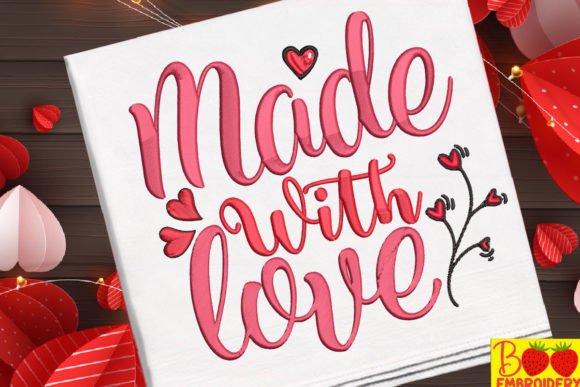
The title Made with Love suggests a sentiment that is universally recognized but can easily fall into cliché if not executed with care. From a design perspective, this phrase leans heavily into the warm, rustic, and farmhouse aesthetics that dominate the handmade market. It feels soft, inviting, and premium rather than bold or aggressive. For a weekend booth, you want something that makes a customer pause. This design does not shout; it whispers. It invites the buyer to imagine holding a warm cup of coffee from a custom apron or carrying groceries in a sturdy tote bag.
In terms of mood, Made with Love strikes a balance between cute and elegant. It works beautifully for Valentine’s Day, but its neutral emotional tone allows it to transcend the holiday. It fits seamlessly into spring markets, baby showers, and general home decor displays. The visual weight of the text likely positions it as a focal point, meaning it requires a product with enough surface area to breathe. If the lettering is dense or intricate, it demands high contrast and clean fabric backgrounds to maintain clarity.
Product Application and Best Sellers
Not all products are created equal when showcasing a text-based embroidery file. Based on the versatility described in the product details, here is where Made with Love will generate the highest return on investment for your craft fair booth.
- Aprons: This is perhaps the strongest candidate. An apron embroidery featuring this phrase on the bib or pocket creates an instant connection with home cooks and bakers. The sentiment aligns perfectly with the act of baking, making it a high-conversion item during Valentine’s Day or Mother’s Day seasons.
- Tote Bags and Market Bags: A classic canvas tote with this design serves as both a functional item and a walking advertisement for your brand. It is a staple tote bag design that appeals to students, shoppers, and eco-conscious consumers. The durability of canvas supports the stitch density typically found in such designs.
- Tea Towels: Tea towel embroidery is a low-cost entry point for customers. These items are impulse buys. Because towels have a textured surface, you must ensure the design has enough coverage to stand out against the weave, or it may get lost visually.
- Hats and Caps: Curved surfaces present a challenge. While this design could work on a baseball cap, the curvature might distort the text if the font is thin or delicate. It performs better on structured caps with larger front panels.
- Patches and Pouches: Small pouches allow for a tighter, more detailed execution of the design. As an embroidered patch applied to denim jackets or backpacks, it adds a personalized touch that justifies a higher price point.
Production Practicality and Booth Strategy
For the commercial embroidery business owner, repeatability is key. Can you produce ten units of this small shop product in an afternoon without losing your mind? Generally, text-based designs are efficient because they rely on satin stitches or simple fills. However, you must evaluate the stitch density carefully. If the design is too dense, it will take longer to embroider and may pucker lightweight fabrics like tea towels unless backed with heavy-duty stabilizer.
When setting up your display, consider how the design photographs. Made with Love is inherently photogenic. It looks excellent in flat-lay mockups for your Etsy listings and shines in lifestyle shots where a model is wearing the apron or holding the tote. The simplicity of the message allows the texture of the thread and the quality of the stitching to take center stage. This elevates the perceived value of the finished product, allowing you to command a premium price compared to printed alternatives.
Furthermore, this design is versatile enough for digital assets. You can create printable mockups quickly to test different colorways before committing to physical production. This is crucial for managing inventory risk. By using design assets effectively, you can gauge interest in specific colors—like blush pink for Valentine’s Day or navy blue for year-round sales—before buying bulk thread.
Critical Considerations for Success
Before you start churning out these items, there are several technical pitfalls to avoid. First, always check the hoop size requirements. If the design is large, you may be limited to fewer product types that fit standard hoops, which can restrict your manufacturing flexibility.
Secondly, pay close attention to thread colors. Text designs lose legibility quickly if the contrast between the thread and the fabric is insufficient. A white script on a cream towel will disappear. Always test on scrap fabric that matches your final product material. Also, inspect the stitch density in tight corners of letters. If the design has tiny loops or sharp angles, they may not hold up well on thick fabrics or curved surfaces like caps.
Finally, never forget the importance of the right stabilizer. For items like aprons and tote bags, cut-away stabilizer is often necessary to prevent distortion over time, especially if the item will be washed frequently. Using tear-away stabilizer on a heavy canvas tote might result in a puckered finish that damages your reputation for quality.
Final Verdict
Made with Love is a solid addition to any digital embroidery file library, particularly for sellers focusing on home goods and gift items. Its strength lies in its emotional resonance and adaptability across multiple product categories. It is not a flashy, trend-chasing design, but rather a timeless piece that builds brand consistency through warmth and craftsmanship.
For the craft fair vendor, this design offers a reliable way to attract customers who value handmade quality. It works best when paired with natural fabric tones and presented in a clean, organized booth display. Just remember to verify the commercial licensing terms before selling finished goods, and always run a test stitch-out to ensure the embroidery meets your personal standards for excellence. If executed correctly, this design has the potential to become a steady seller in your commercial embroidery lineup.